Eğitim Detay
(AFT) Disasters and Safety Awareness Training
Eğitim Bilgisi
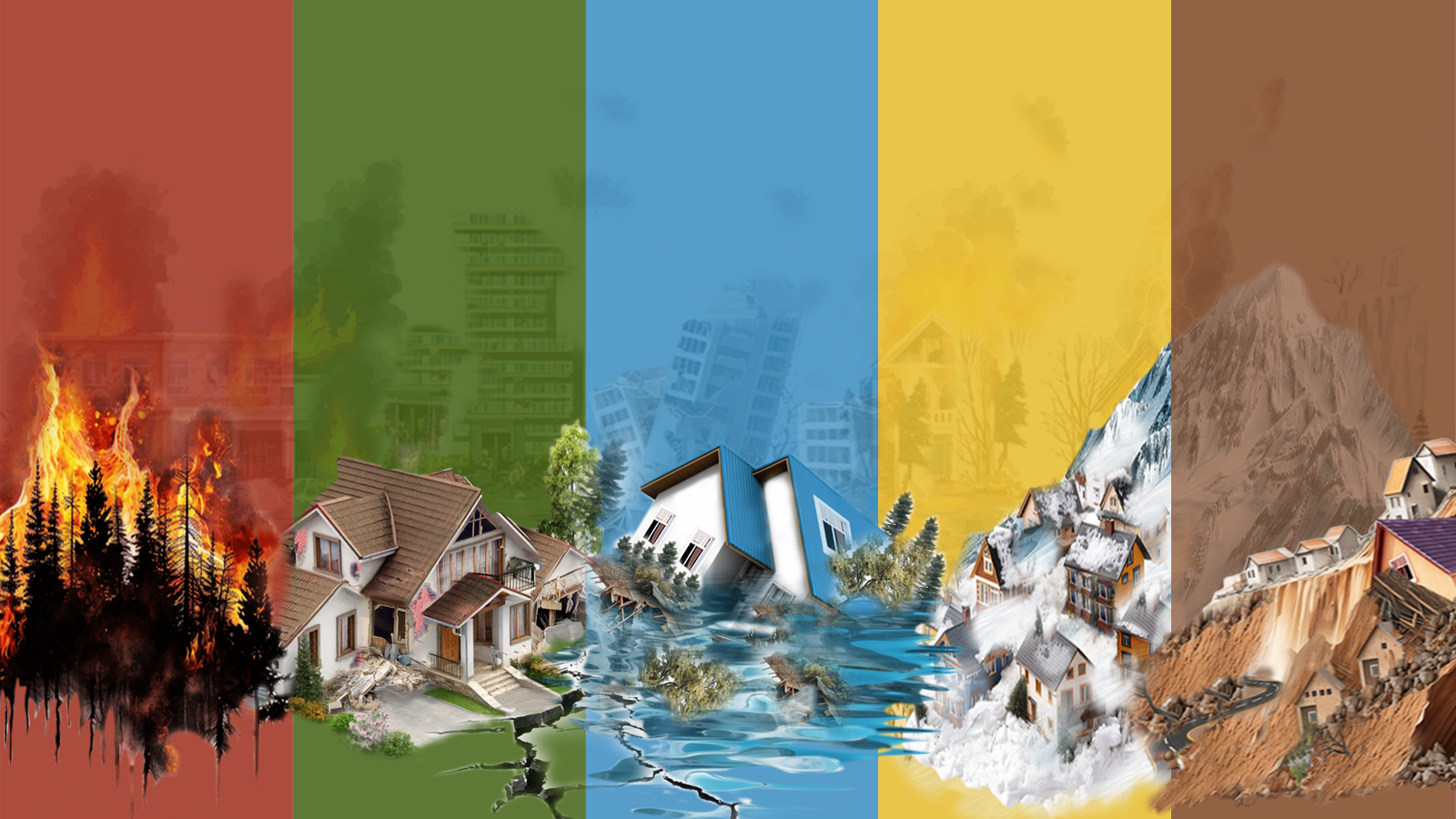
The purpose of Disaster and Safety Awareness Training is to provide the participants with general information about natural disasters that frequently occur in Türkiye and help them gain awareness about the safety behaviors that should be carried out before, during and after these disasters.
Eğitimin yaklaşık süresi 1 saat 32 dakikadır.
Eğitim İçeriği
- What Will You Learn?
- Earthquake and Protection Awareness
- Knows the definition of earthquake and how it occurs.
- Knows the locations of active fault lines in Türkiye.
- Comprehends the importance of a sturdy building in preventing loss of life and property that may occur in an earthquake.
- Defines YOTA.
- Realizes the importance of YOTA.
- Defines the concept of Earthquake Hazard Hunt.
- Spots the places and items in the house that may pose a danger during an earthquake.
- Knows how to make arrangements about the dangerous points in the house.
- Knows the benefits of Earthquake Insurance.
- Understands the importance of earthquake drills.
- Makes predictions about what can happen in the first 72 hours after an earthquake.
- Fills out the Family Disaster Plan form.
- Knows the precautions to be taken in the neighborhood where he/she lives within the scope of earthquake preparedness.
- Understands the vital importance of the Drop-Cover-Hold movement during an earthquake.
- Knows how to apply the Drop-Cover-Hold movement in different environments.
- Knows what to do in case of getting trapped under debris.
- Knows what to do in case of being caught in an earthquake outdoors.
- Gains insight about what can happen in various public transportation vehicles during an earthquake.
- Knows about the safety behaviors to be carried out against the negativities that may be experienced in public transportation.
- Lists the safety behaviors to be carried out in case of being caught in an earthquake while driving.
- Knows his/her responsibilities in terms of responding to the injured people around him/her after an earthquake.
- Gains awareness about the dangers that may occur in his/her surroundings after an earthquake and knows the safety behaviors to be carried out against these dangers.
- Understands that social media is the most effective and healthy communication channel for post-earthquake communication.
- Is informed about the ways he/she can help the authorities with after an earthquake.
- As a responsible citizen, understands his/her duties after an earthquake.
- Knows how to behave in case of a fire breakout after an earthquake.
- Flood and Protection Awareness
- Defines flood.
- Sorts the types of floods according to the duration of occurrence.
- Knows about the negative effects of flood on people and nature.
- Matches floods and their causes according to the location of occurrence.
- Knows about the technologies used in the forecasting and monitoring of floods and the benefits of these technologies.
- Knows the precautions to be taken against the possible effects of flood.
- Knows what to do in case of exposure to flood.
- Understands the actions to be taken during evacuation.
- Remembers what to do if trapped in flood waters.
- Gains awareness about the dangers that flood waters may cause after a flood.
- Avalanche and Protection Awareness
- Recalls how avalanche danger occurs.
- Knows what causes the formation of avalanche.
- Lists the types of avalanche.
- Understands the techniques for avalanche prevention.
- Lists the techniques used in forecasting of avalanche.
- Explains the avalanche risk map and its usage purposes.
- Knows the regions where avalanches are seen most often in Turkey.
- Knows the safety behaviors to be carried out in areas with high avalanche risk.
- Explains the concept of hypothermia.
- Knows the safety behaviors to be carried out while passing through areas with high avalanche risk.
- Selects correct items to be taken along before passing through an area with high avalanche risk.
- Lists the safety behaviors to be carried out if getting caught in an avalanche in the mountain.
- Lists the safety behaviors to be carried out if getting caught in an avalanche outdoors.
- Lists the safety behaviors to be carried out if getting caught in an avalanche while driving.
- Knows the search and rescue techniques in an avalanche.
- Mass Movements and Protection Awareness
- Recalls how mass movements occur.
- Indicates the difference between slumping and landslide.
- Lists the types of mass movements.
- Knows about the causes of mass movements.
- Knows about the signs of mass movements.
- Comprehends the techniques of preventing mass movements.
- Has a general understanding about the mass movements in Türkiye.
- List the reasons that increase the damage caused by mass movements.
- Lists the safety behaviors to be carried out if caught in a mass movement indoors.
- Lists the safety behaviors to be carried out if caught in a mass movement outdoors.
- Lists the safety behaviors to be carried out after a mass movement occurs.
- Lists the consequences of mass movements.
- Forest Fires and Protection Awareness
- Defines fire.
- List the elements of fire triangle.
- Categorizes forest fires according to their causes.
- Has knowledge about the anatomy of forest fires.
- Lists the variables of forest fires.
- Defines the types of forest fires.
- Knows what needs to be done to reduce the risk of forest fires.
- Understands the importance of early intervention in forest fires.
- Becomes aware of his/her share of responsibilities in reducing the risk of fire as a citizen.
- Knows where to get information about the fire risk of his/her residence.
- Has knowledge about precautions to be taken in case of living in areas with forest fire risk.
- Knows the information that should be included in the family emergency action plan.
- Makes an evaluation of forest fire risk in his/her residence on a basic level.
- Knows what to do in case of a fire while in the forest.
- Lists what should be done if a forest fire is noticed while driving.
- Lists what to do in case of being inside a building during a forest fire.
- Knows the things to look out for while evacuating.
- Knows what to do when going back to the burned area after the fire is put out.
- Knows what needs to be considered during renovation around the house after the fire.
- Knows the path to be followed in order to volunteer in the fight against forest fires.
- Earthquake and Protection Awareness
*Optional sections. There is no obligation to complete.
Duyurular
KE.ZE.AFT-EN shared question bank
Bu soru bankası, site yükseltildiğinde otomatik olarak oluşturulmuştur.
Before you start learning, you need to complete the pre-test in this section to see how informed you are and also to be able to evaluate the efficiency of this training. When you complete the pre-test, you’ll gain access to activities in other sections. Depending on the training, the "Pre-test" activity may not be available.
Pre Test
In this section, training presentations and interactive contents are presented to you. In order to learn the the context and access the "measure" section, you must complete the course by watching.
Earthquake and Protection Awareness
Flood and Protection Awareness
Avalanche and Protection Awareness
Mass Movements and Protection Awareness
Forest Fires and Protection Awareness
In this section, additional beneficial literature such as videos of online classes and videos on questions & answer are presented to you.
In this section, evaluation activities are presented to you. In order to qualify for the Certificate of Participation, you must achieve 75% success in the "Post- Test" and complete the "Training Assessment Questionnaire". Depending on the training, the "Post- test" activity may not be available.
Post Test
Training Assessment Questionnaire
Bu bölümde, öğrenme sürecinize katkı sağlayacak alternatif metinler ve infografikler sunulmuştur.
Bu bölümde, öğrenme sürecinize katkı sağlayacak konuya yönelik tanımlanmış film, kitap, ses dosyaları, podcast vb. önerileri sunulmuştur.
In this section, assignments that will refer to future learning (research) are presented in connection with past achievements (applications) through practical case studies.
In this section, the Certificate of Participation is offered to you, should you excel with 75% success in Post-Test and complete the Training Assesment Questionnaire.
Certificate of Participation
Kategorideki Diğer Eğitimler
Afetler ve Korunma Bilinci Eğitimi
Zorunlu Eğitim Programı
Bilgi Güvenliği Farkındalık Eğitimi (2026)
Zorunlu Eğitim Programı
Bilgi Teknolojileri Hizmet Sürekliliği Eğitimi (2026)
Zorunlu Eğitim Programı
Ebru Uz ve Ercan Geneci ile Kızılay Uyum Semineri
Zorunlu Eğitim Programı
Elektronik Belge Yönetim Sistemi (EBYS) Eğitimi
Zorunlu Eğitim Programı
Elif Taşkın Aytekin ile İlk Yardım Semineri
Zorunlu Eğitim Programı
Entegre Yönetim Sistemleri Semineri (2026)
Zorunlu Eğitim Programı
Etik ve Kurumsal Çalışma İlkeleri Farkındalık Eğitimi
Zorunlu Eğitim Programı
İklim Değişikliği Eğitimi
Zorunlu Eğitim Programı